
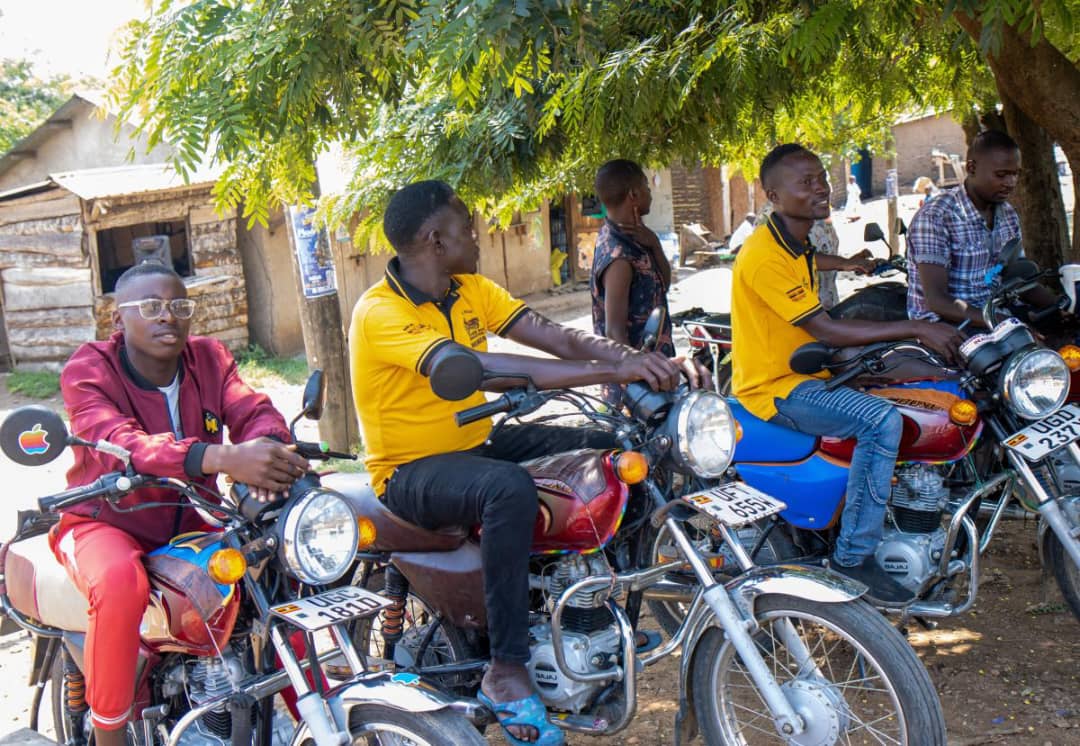
A section of transport operators in Kabale Municipality has expressed concern over the proposed fuel tax increase in the 2026/2027 national budget, warning that it could reduce their earnings and lead to higher transport fares.
The concern follows new tax measures presented to Parliament’s Finance Committee, under which government plans to increase fuel duty by Shs100 per litre on both petrol and diesel as part of efforts to raise domestic revenue to Shs45.96 trillion in the 2026/27 financial year.
Officials from the Ministry of Finance indicate that government expects to raise Shs1.741 trillion through tax policy changes and an additional Shs3.164 trillion from improved compliance by the Uganda Revenue Authority. The measures are projected to increase Uganda’s tax-to-GDP ratio to 15.5 percent.
However, transport operators in Kabale say the proposed increase will directly affect their daily operations and household income.
Earnest Turihohabwe, a boda boda rider at Bishop Barham University stage, said the proposed tax would leave them with little or no profit.
“Fuel is already expensive. If they add Shs100, we shall work only for fuel. Our families will sleep hungry,” Turihohabwe said.
Innocent Muhwezi, another rider at Rugarama stage, said the cost of living is already high and further taxation on fuel would worsen their situation.
“Everything is taxed. Now fuel again? Government should leave us to breathe. We are suffering,” Muhwezi said.
Ronald Mugisha, Chairperson of boda boda riders at Sabena Stage, and Saturday Byamugisha, Chairperson of Kabale Taxi Operators, warned that transport fares are likely to increase if the tax is implemented.
Byamugisha questioned the timing of the proposed increase, noting the instability of fuel prices.
“Fuel prices are not stable. They go up every month. Why add tax now? Government should explain this to ordinary Ugandans,” he said.
The operators have called on government to reconsider the proposed tax and review levies on essential services, saying the measure could further strain low-income earners dependent on public transport.
